
PT/INR Testing – Accurate, Easy, Fast and Inexpensive
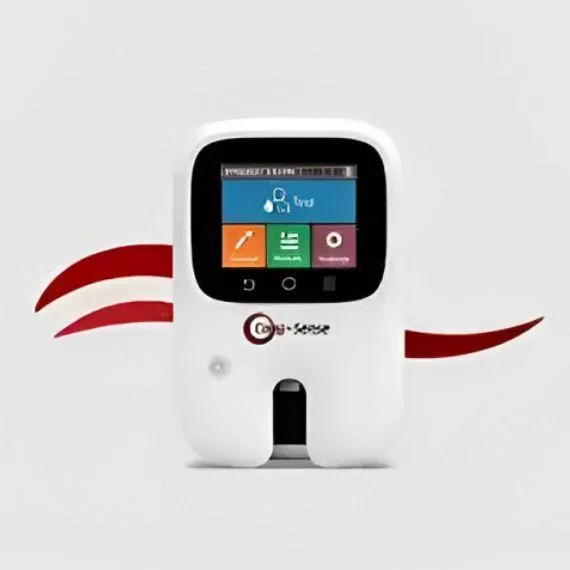
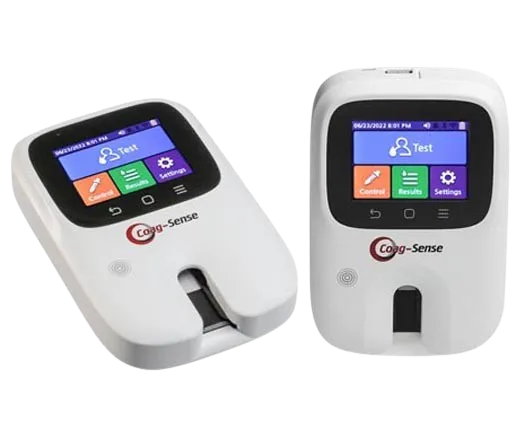
PT/INR Self Testing machine
for home use
Prothrombin time(PT/INR)
Blood Test For Clotting Time
May reduce the time and burden of dealing with anti-coagulation complications
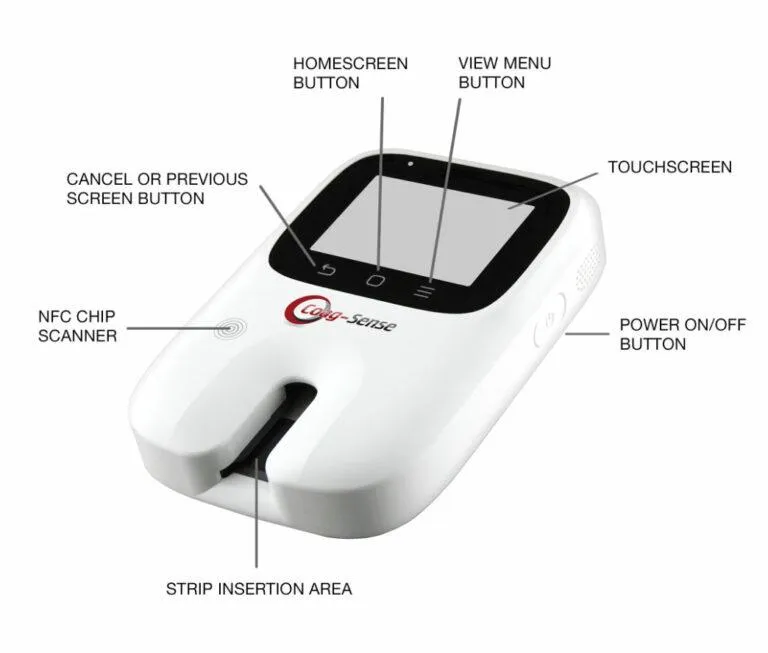
Patients on anticoagulation have access to a simple-to-use INR level monitor, resembling the size and scope of at-home blood glucose monitors. The patient gets a reading following a brief finger prick and blood analysis via the monitor; they then report the results to AHC’S PATIENT SELF TESTING monitoring center. The patient’s INR test results are compared to the recommended therapeutic range using AHC’S PATIENT SELF TESTING, and the updated results are plotted on an INR trend report that is automatically sent to and made electronically available to your doctor’s office.
Covered By Most Insurances
Coverage can vary between insurance plans and even within different plans from the same provider.
The main advantage of our PT/INR Testing is that it is covered under almost all the medical insurances. If you have bought a plan through a Health Insurance Marketplace, your insurance will cover the preventive services. It will also cover at least 10 essential health benefits required by the Affordable Care Act (ACA).
Self-Testing Partner
Patient Self Testing is a division of Alternative Health Care Inc. (AHC), a California corporation incorporated in 1983. AHC is a state-of-the-art technology and disease management company specializing in innovative solutions for patients.

AHC’S PATIENT SELF TESTING compares the patient’s INR test results to their prescribed therapeutic range and the new results are plotted on an INR trend report that is automatically forwarded to and made available electronically to your physician’s office.’
An INR test measures how long it takes your blood to clot. It is also known as a prothrombin time (PT) test. This test is commonly used to monitor blood-thinning medications, also called anticoagulants. The INR, or international normalized ratio, can also help determine whether you have a blood clotting disorder.
A prothrombin time (PT) test is used to help detect and diagnose bleeding or excessive clotting disorders. The international normalized ratio (INR) is calculated from the PT result and is used to monitor how well blood-thinning medication (anticoagulant) is working to prevent blood clots.
Advantages of PT/INR self testing
The benefits of self-testing have been clearly documented in published studies.
Cheaper Than Going to The Lab
The other advantage is that you don’t need to face the hassle of going to the lab for giving the sample, or collecting the report. You get it on the same place and you don’t need to travel . Your reports are yours and the transparency is maintained.
Help Maintain Patients in The Therapeutic Range
The process of TDM is predicated on the assumption that there, is a definable relationship between dose and plasma or blood drug concentration, and between concentration and therapeutic effects.
Improves Patient Outcomes
A prothrombin time (PT) is a test used to help detect and diagnose a bleeding disorder or excessive clotting disorder; the international normalized ratio (INR) is calculated from a PT result and is used to monitor how well the blood-thinning medication (anticoagulant) is working to prevent blood.
PT/INR Testing – Accurate, Easy, Fast and Inexpensive

